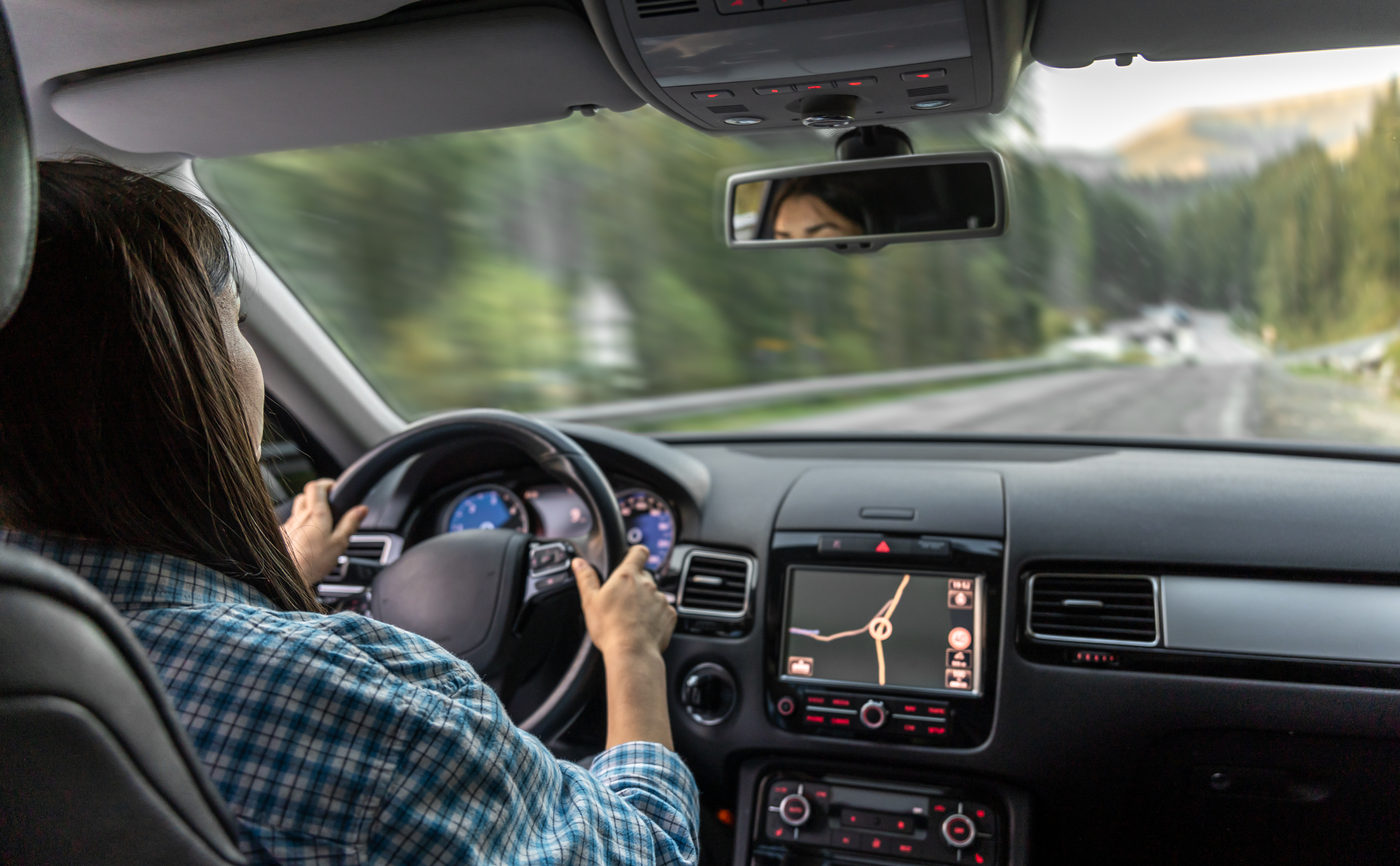
April marks Distracted Driving Awareness Month, offering an important reminder to take a closer look at our habits on the road. Many crashes don’t happen because of bad weather or complicated traffic patterns—they happen because a driver’s focus slips for only a moment. Even brief distractions can lead to life-changing consequences, which is why staying alert is so essential.
Distracted driving affects everyone, not just the person behind the wheel. It raises accident risks, increases insurance costs, and can result in injuries or worse. The encouraging news is that most distractions are preventable. With a little preparation and a commitment to staying present, drivers can make safer decisions every day.
Understanding What Counts as Distracted Driving
Distracted driving includes any behavior that pulls your eyes, hands, or attention away from operating a vehicle. These distractions generally fall into three groups: visual, manual, and cognitive. Visual distractions involve taking your eyes off the road—for instance, glancing at a text message or looking down to adjust your dashboard. Manual distractions happen when your hands leave the wheel, such as reaching for something or eating while driving. Cognitive distractions occur when your mind is elsewhere even if you appear focused forward.
These categories often happen together. Sending a text, for example, involves all three types of distraction at once. Understanding how different distractions overlap helps explain why even quick actions create enormous risk. A split second of inattention can be enough for conditions to change without warning.
Why Distracted Driving Puts Everyone at Risk
The dangers associated with distracted driving are significant. Each year, thousands of people are killed in crashes involving distracted drivers. Many more live with injuries that alter their futures. What makes this issue even more troubling is that victims are often not the distracted drivers themselves—pedestrians, cyclists, and other motorists frequently suffer the consequences of someone else’s moment of inattention.
Distraction also carries a financial impact. Traffic violations, insurance claims, car repairs, and rising premiums can strain any household budget. In serious cases, long-term medical care or time away from work adds even more stress. Staying focused behind the wheel protects not just lives, but financial stability as well.
Prepare Before You Start the Engine
One of the simplest ways to limit distraction is to get everything in order before you begin driving. A short moment of preparation can eliminate the need to make adjustments later.
Set your seat, mirrors, and steering wheel so you have a clear view and comfortable posture. Program your GPS while parked, not while moving. Pick your playlist or podcast ahead of time instead of scrolling through options mid‑drive. These deliberate steps reduce the urge to multitask once you’re on the road.
It’s also wise to secure any loose items. Bags, drinks, or other objects that shift unexpectedly can quickly steal your attention. Keeping your vehicle organized ensures you can stay focused where it matters most.
Minimize Phone-Related Distractions
Phones are one of the leading causes of distraction. Even when using hands‑free features, your attention can drift away from driving. The safest choice is to place your phone out of reach and enable a driving mode or “Do Not Disturb” setting.
If something urgent comes through, pull over safely before reading or responding. No message or notification is worth the potential consequences. Making this your routine helps reduce the temptation to check your phone while driving.
Cut Down on Distractions Inside the Vehicle
Not all distractions involve technology. Eating, grooming, or digging for items can take your focus away from the road. If you need to handle something, it’s best to make a quick stop rather than try to do it while driving.
Passengers can also be a huge help. When possible, let someone else manage directions, messages, or media controls. For families with children, stopping in a safe location is always better than trying to address needs from the front seat.
Stay Mentally Present
Some distractions are internal. Stress, worry, or an overactive mind can make it difficult to stay focused. Even if your hands are on the wheel and your eyes are forward, your thoughts might drift somewhere else.
If you notice your mind wandering, take a moment to reset. Slow your breathing, scan your surroundings, and bring your attention back to driving. A small mental check‑in can dramatically improve your alertness and reaction time.
The Importance of Auto Insurance
Even with the best habits, accidents can and do happen. That’s why having reliable auto insurance remains essential. Coverage can help protect you financially whether you’re dealing with vehicle repairs, medical needs, or liability concerns.
Incidents related to distracted driving can raise insurance costs, but the right policy provides crucial peace of mind. Good coverage ensures that if the unexpected occurs, you’re not facing the financial burden alone.
Make Safer Choices This April—And Every Month
Distracted driving is a preventable issue, and awareness is the first step toward change. By understanding what causes distractions and taking small steps to minimize them, you help create safer roads for yourself and everyone around you.
If you’d like to review your auto insurance or explore ways to better protect yourself while driving, we’re here to support you. Reach out anytime to discuss coverage options tailored to your needs and to give yourself greater confidence every time you’re on the road.