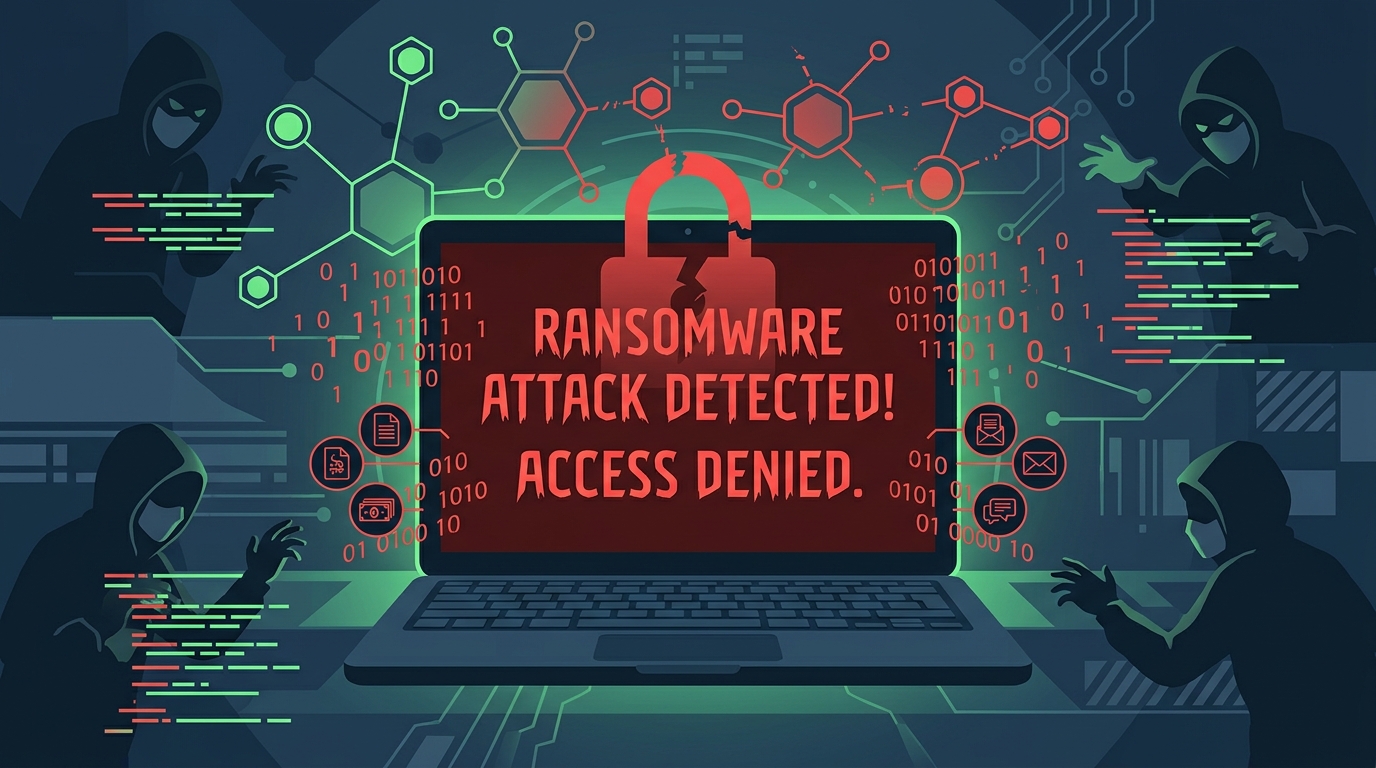
Ransomware is a growing risk for businesses of every size, including the small businesses that help keep Pamlico County and coastal North Carolina moving. An attack can lock down systems, interrupt daily operations, expose sensitive information, and create expensive recovery work. Preparing with practical cybersecurity controls and the right cyber liability insurance can help your business respond with greater confidence.
At Potter Insurance Agency, Inc., we help business owners in Bayboro, Oriental, New Bern, Morehead City, and surrounding coastal communities understand how insurance can fit into a broader risk-management plan. While insurance cannot prevent an attack, it can provide important support after a cyber event occurs.
Why Ransomware Is a Growing Business Threat
Ransomware attacks have become more frequent and more costly. Cybercriminals no longer focus only on major corporations; they also target smaller organizations that may have limited cybersecurity resources or rely heavily on a few essential systems to serve customers.
Recent trends show that U.S. businesses account for a large share of cyberattacks reported across North America, and average ransom demands have risen above $1 million. Even when a business does not pay a demand, the costs of restoring data, investigating the incident, and managing downtime can be substantial.
Manufacturing, technology, and retail businesses have experienced significant ransomware activity, but no industry is exempt. Contractors, restaurants, churches, professional offices, marine operations, and other local businesses all depend on technology, customer records, and communications that can be disrupted by an attack.
For that reason, cybersecurity should be treated as a key part of business risk management. A thoughtful approach combines sensible security practices with commercial insurance designed to help address cyber-related losses.
How a Ransomware Event Can Affect Daily Operations
A ransomware incident can bring normal operations to a sudden stop. Employees may lose access to email, billing systems, files, scheduling platforms, point-of-sale tools, or other technology needed to do their jobs. Customers may also experience delays when a business cannot communicate or provide services as expected.
The effects often extend well beyond the initial lockout. A business may need forensic assistance to determine what happened, technical support to restore systems, and time to recover essential data. Business interruption can add pressure when revenue-generating activity is delayed.
There may also be reputational consequences. Clients, vendors, and partners want to know that their information is being handled responsibly. When sensitive information may have been compromised, restoring trust can be an important part of the recovery process.
These potential costs make prevention and preparedness especially valuable. Businesses that have considered their response before an incident are often better positioned to act quickly when something suspicious occurs.
Practical Cybersecurity Steps for Local Businesses
No single measure can eliminate ransomware exposure. However, several practical steps can strengthen a company’s defenses and reduce the chance that one compromised account or device becomes a larger incident.
Use Multi-Factor Authentication
Multi-factor authentication, often called MFA, adds another verification step before a user can access an account or system. Instead of relying on a password alone, a user may also need to confirm their identity through a code, app, or another approved method.
Using MFA for remote access points can make unauthorized entry more difficult. For many businesses, it is one of the most meaningful cybersecurity improvements available because it provides an added layer of protection for accounts that could otherwise be vulnerable to stolen or guessed credentials.
Keep Technology Updated
Older software and unpatched systems can leave known security weaknesses open to attackers. Installing available security patches and updates helps close those gaps and supports stronger overall protection.
Businesses should establish a dependable routine for reviewing updates to operating systems, applications, and other critical technology platforms. Regular maintenance may seem basic, but it can meaningfully reduce exposure to cyber threats.
Train Employees Regularly
Technology is important, but employees also play a major role in ransomware prevention. Team members are often the first people to encounter suspicious emails, unusual login requests, or other warning signs that may point to malicious activity.
Ongoing cybersecurity awareness training can help employees recognize common threats and respond appropriately. The more familiar a team is with the tactics criminals use, the more prepared it can be to report concerns before they become a serious incident.
Maintain Protected Off-Site Backups
Reliable backups are one of the most valuable recovery resources after a ransomware event. Still, backups must be properly protected to be useful when they are needed most.
Businesses should keep backups offline or off-site, protect them from unauthorized changes, and test recovery procedures regularly. It is also important to confirm that backup systems include the critical data and operational functions needed to resume normal business activity.
Review Access Controls
Employees should have access only to the systems and information necessary for their responsibilities. Limiting permissions can reduce risk across the organization and help contain the impact if an account is compromised.
Access should be reviewed when an employee changes roles or leaves the company. Promptly removing unneeded permissions and watching for unusual account activity can help prevent unauthorized use and strengthen overall security.
What to Do if You Suspect Ransomware
Even businesses with strong controls can become targets. If ransomware is suspected, affected devices should be isolated from the network immediately. Disconnecting network cables or disabling Wi-Fi may help stop the threat from spreading to other systems.
It is generally advisable not to turn affected devices off, since doing so may remove forensic information that could help with the investigation. Businesses should notify appropriate internal stakeholders, communicate with relevant partners when necessary, and contact local law enforcement for guidance on the next steps.
A timely, organized response can help limit damage and support recovery. Having a clear process in place before an incident can make a difficult situation more manageable.
How Cyber Liability Insurance Can Help
Strong cybersecurity practices remain essential, but they cannot guarantee that a cyberattack will never happen. Cyber liability insurance can be an important part of a wider protection strategy for businesses that rely on technology, digital records, and electronic communications.
Commercial cyber coverage may help with expenses connected to a ransomware event, including recovery efforts, data restoration, and other costs associated with responding to a cyber incident. Coverage details vary, so it is important to review policy terms carefully and understand how a policy aligns with your business’s specific risks.
As an independent insurance agency in Bayboro, Potter Insurance Agency, Inc. can help businesses compare commercial insurance options and consider cyber liability coverage alongside policies such as general liability, commercial property coverage, and a business owners policy. Our team works with businesses throughout Pamlico County and coastal North Carolina to explain coverage in clear, practical terms.
FAQ
Can small businesses be targeted by ransomware?
Yes. Ransomware can affect organizations of all sizes. Smaller businesses may be particularly vulnerable when they have fewer cybersecurity resources or depend on a limited number of systems to manage daily operations.
Does cyber insurance prevent ransomware?
No. Cyber insurance does not prevent an attack. It can, however, help a business manage certain financial and operational costs that may arise after a covered cyber event.
Why are off-site backups important?
Backups can help a business restore critical data and systems after an incident. For stronger protection, they should be stored offline or off-site, shielded from unauthorized changes, and tested through regular recovery exercises.
What should a business do first after suspecting ransomware?
Isolate affected devices from the network as quickly as possible to help limit the spread. Avoid powering devices off if possible, then notify the appropriate internal contacts and seek guidance from law enforcement and qualified incident-response professionals.
How can Potter Insurance Agency help with cyber coverage?
Potter Insurance Agency, Inc. can help you review commercial cyber liability insurance options and understand how coverage may support your overall business protection plan. Contact our Bayboro team at (252) 745-9575 to discuss your business insurance needs and request a policy review.